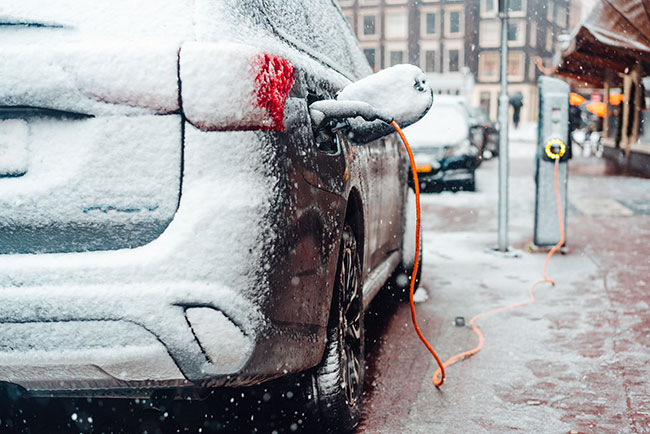
Canadian winters present unique challenges for vehicle maintenance. Between road salt, temperature fluctuations, moisture, and harsh weather conditions, vehicles face substantial stress during cold months. Understanding how to protect your vehicle during winter isn't just about aesthetics—it's about preventing long-term damage and maintaining the condition of a significant investment.
Toronto winters specifically combine urban driving conditions with heavy salt use and temperature swings that can drop well below freezing. These conditions require a proactive approach to vehicle care that goes beyond what's needed in milder climates.
Pre-Winter Preparation
The weeks before the first snowfall offer your best opportunity to prepare your vehicle for the coming months. This preparation phase sets the foundation for protection throughout winter.
Start with a thorough wash and inspection of your vehicle's exterior. This removes any existing contaminants and allows you to identify areas where paint or protective coatings may have deteriorated. Pay particular attention to the lower panels, wheel wells, and undercarriage—these areas face the most exposure to winter elements.
Consider applying a protective coating before winter begins. While various products exist, the goal is creating a barrier between your vehicle's paint and the salt, chemicals, and debris it will encounter. This protective layer makes it more difficult for contaminants to bond with your vehicle's surfaces.
Check and clean door seals, as these rubber components can become brittle in cold weather. Frozen doors are a common winter frustration that proper seal maintenance can help prevent. Additionally, ensure drainage channels are clear—these allow water to exit the vehicle properly rather than pooling where it can freeze and cause damage.
Understanding Road Salt and Its Effects
Road salt serves an important safety function, but it creates significant challenges for vehicles. Sodium chloride and calcium chloride—the primary chemicals in road salt—are corrosive compounds that accelerate metal oxidation. In simple terms, they speed up rust formation.
Salt doesn't just sit on surfaces; it actively draws moisture from the air through a process called deliquescence. This means salt on your vehicle continues causing problems even when roads appear dry. The salt-moisture combination creates an ideal environment for corrosion to develop and spread.
The damage compounds over time. Small amounts of salt exposure might seem harmless, but repeated exposure throughout a winter season allows corrosive processes to progress. Areas where salt accumulates—wheel wells, rocker panels, door bottoms, and the undercarriage—face the highest risk.
Modern vehicles include rust-proofing measures during manufacturing, but these protections can deteriorate over time, especially in areas subject to physical wear like stone chips or scraping. Once protective coatings are compromised, salt reaches bare metal and corrosion begins.
Protecting the Underbody
The undercarriage of your vehicle faces the most concentrated salt exposure, yet it's the area owners see least often. This combination makes underbody protection particularly important.
Factory undercoating provides initial protection, but supplemental measures offer additional defense. Some vehicle owners apply additional rust-proofing treatments, though opinions vary on the most effective approaches. What matters most is ensuring the undercarriage is regularly cleaned during winter months.
Professional undercarriage washing uses high-pressure water to dislodge salt and debris from hard-to-reach areas. While you might not see the results the way you would with an exterior wash, this cleaning addresses the areas where salt damage most commonly develops. Many car washes offer undercarriage rinses as part of their service, and utilizing this regularly during winter provides meaningful protection.
Pay attention to areas where components create pockets or channels where salt and moisture can accumulate. The suspension components, brake lines, fuel lines, and exhaust system all face exposure, and accumulated salt in these areas can cause problems beyond simple rust—it can affect mechanical function over time.
Winter Washing Frequency and Timing
Winter washing presents a balancing act. You need to remove salt regularly, but you also face weather conditions that make washing more complicated. Temperature, timing, and approach all matter.
As a general guideline, vehicles driven regularly in winter conditions benefit from washing every 10-14 days during periods of active salt use. This frequency prevents significant salt accumulation while being practical for most schedules. If you encounter particularly heavy salt application—such as after a major storm—washing sooner helps.
Temperature affects washing effectiveness and safety. Washing when temperatures are below freezing creates risks: water can freeze in locks, door seals, and other areas before it dries. Try to wash when temperatures are above freezing, ideally with enough time for your vehicle to dry before temperatures drop again. This often means choosing midday on the warmest day available.
Be aware that washing doesn't need to be elaborate during winter months. The primary goal is salt removal, which means focusing on areas where salt accumulates. While a complete detail serves aesthetic purposes, regular winter washing is maintenance-focused—getting salt off before it causes damage.
Interior Moisture and Salt Management
Winter affects vehicle interiors as well. Snow and ice tracked in on boots melts and introduces both moisture and salt to carpets and floor mats. This creates multiple problems: salt can damage carpet fibers, moisture leads to odor and potential mold growth, and salt residue makes interiors feel gritty.
Using floor mats designed for winter conditions—typically rubber or heavy-duty plastic—provides a first line of defense. These mats contain moisture and salt rather than allowing it to reach carpeting. They're also easy to remove and clean, which should be done regularly throughout winter.
Even with protective mats, moisture enters the vehicle. This moisture can collect under mats, in door pockets, and around pedals. Periodic removal of mats for drying prevents moisture accumulation. If carpets become wet, address it promptly—wet carpets in a closed vehicle create an ideal environment for mold and persistent odors.
During longer cold periods, moisture can accumulate on windows as condensation. This indicates humidity inside the vehicle, which often comes from wet carpets or tracked snow. Running your climate control system in fresh air mode (rather than recirculation) helps manage interior humidity levels.
Products and Methods for Winter Care
The products you use for winter washing matter less than you might expect—what matters most is removing salt thoroughly. pH-balanced automotive soaps work well because they clean effectively without removing protective waxes or coatings you've applied. Harsh detergents or household cleaners can strip protection, which is counterproductive during winter.
For washing at home in winter, focus water application on the lower portions of your vehicle where salt concentrates. Use enough water to actually rinse away salt rather than just redistributing it. This often means using more water than you might during other seasons.
Avoid using hot water on a very cold vehicle, as rapid temperature changes can crack glass or damage paint. Cool or lukewarm water works fine for winter washing—the water temperature doesn't significantly affect salt removal.
After washing, if temperatures allow, dry your vehicle as much as practical. Pay attention to areas around doors, fuel door, and trunk where water can collect and freeze. A simple microfiber towel can address these critical areas even if you don't do a complete detail-level drying.
Professional Service During Winter Months
Professional car wash services offer particular value during winter. Indoor facilities provide climate-controlled environments where proper washing and drying can occur regardless of outside temperatures. Undercarriage washing equipment—which many home setups lack—specifically targets the areas facing the most risk.
Professional services also handle the practical challenges of winter washing: dealing with frozen water, managing runoff, and having the equipment to clean thoroughly without exposing yourself to harsh conditions. For many people, the convenience factor alone makes professional service worthwhile during the coldest months.
When choosing professional washing during winter, look for services that specifically include undercarriage attention. A quick exterior-only wash misses the areas where winter damage most commonly develops. Services that offer heated water and indoor drying provide the most effective winter cleaning.
Conclusion
Protecting your vehicle during Canadian winters requires consistent attention rather than elaborate measures. Regular washing to remove salt, understanding how and where damage develops, and addressing moisture both inside and outside your vehicle form the foundation of effective winter car care.
The investment in winter vehicle maintenance pays off through reduced long-term damage and better preservation of your vehicle's condition and value. While winter presents challenges, a systematic approach to care makes these challenges manageable. Whether you handle maintenance yourself or use professional services, the key is consistency—regular attention throughout winter provides far better protection than occasional intensive cleaning.
Professional Winter Care Services
Omirana offers comprehensive winter vehicle care in Toronto, including undercarriage washing and complete exterior cleaning designed to protect your vehicle during harsh winter months.
View Our Services