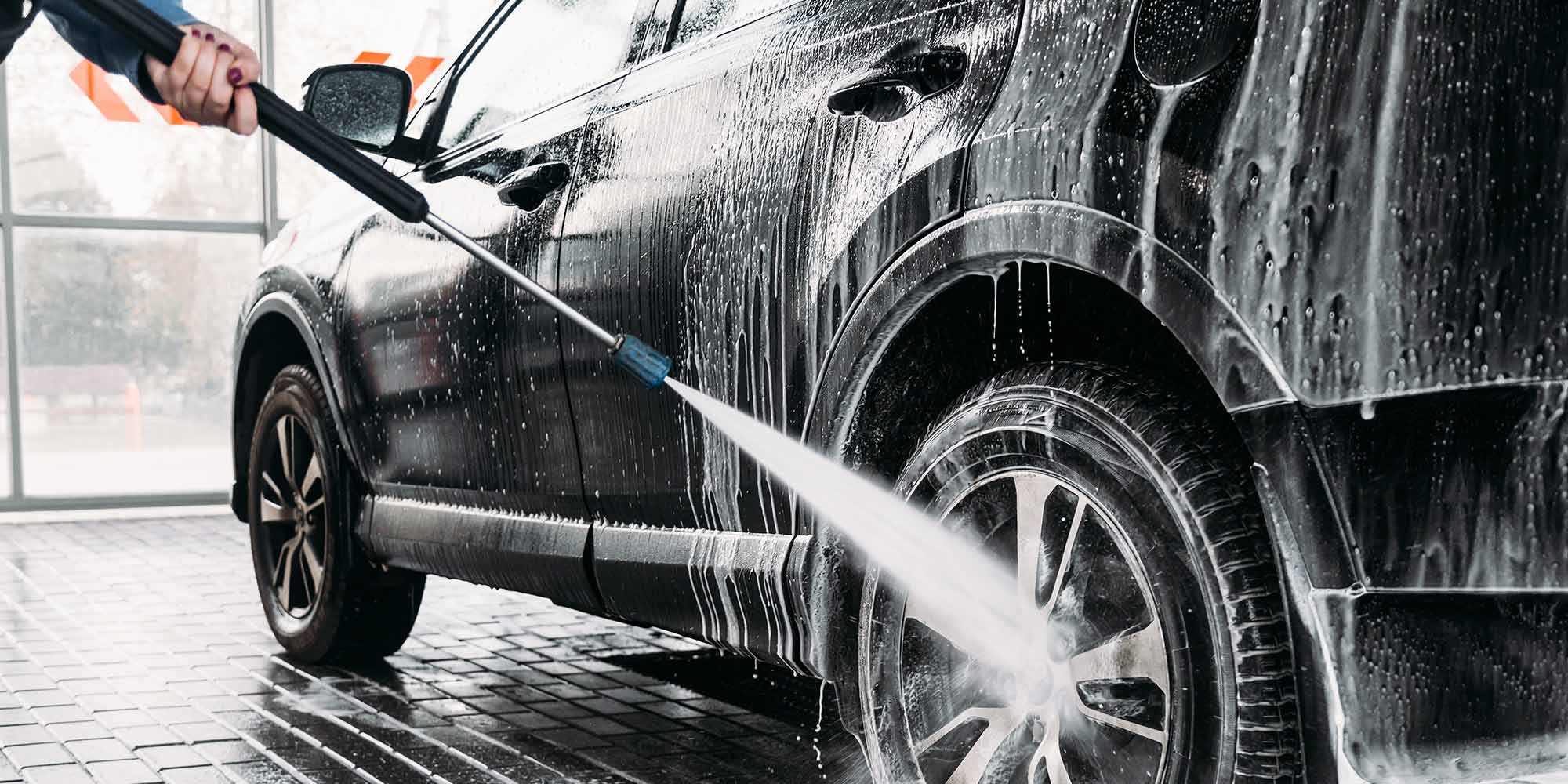
The question of how often to wash your car doesn't have a single answer that applies to everyone. Washing frequency depends on multiple factors including where you drive, how you use your vehicle, environmental conditions, and storage circumstances. Understanding these factors helps you develop a washing schedule that protects your vehicle without being unnecessarily time-consuming or expensive.
Factors That Affect Washing Frequency
Several key factors determine how often your vehicle needs washing. These factors often interact—for example, urban driving in winter creates different needs than rural driving in summer.
Climate conditions significantly impact washing needs. Areas with frequent rain might seem like they'd keep cars cleaner, but rain often deposits contaminants rather than removing them. Similarly, dry climates accumulate dust while humid climates promote faster development of water spots and oxidation on dirty surfaces.
Driving environment matters considerably. Urban driving exposes vehicles to industrial fallout, exhaust particulates, and road film that accumulate quickly. Highway driving at higher speeds means more bug impacts and road tar. Rural areas might mean less frequent contamination but potentially more pollen, agricultural dust, or unpaved road residue.
Parking location affects how quickly your vehicle becomes dirty and what types of contaminants accumulate. Garage-parked vehicles stay cleaner longer and face less environmental exposure. Street parking means more dust, pollen, bird droppings, and tree sap. Parking under trees specifically increases organic contamination that can damage paint if left too long.
Vehicle use patterns also play a role. Daily drivers accumulate contaminants faster than vehicles used occasionally. Long-distance driving means more bug impacts and road grime. Vehicles used for work purposes, especially construction or landscaping, face different cleaning needs than personal vehicles.
Seasonal Variations in Washing Needs
Different seasons create different washing requirements. Understanding seasonal patterns helps you adjust your maintenance schedule appropriately.
Spring brings pollen, which coats vehicles in a fine yellow or green dust. This pollen isn't just aesthetic—it's slightly acidic and can affect clear coat over time. Spring also means dealing with leftover winter salt and increased rain, which can leave water spots. Many vehicles benefit from more frequent washing during spring pollen season, typically every 1-2 weeks.
Summer presents challenges from bugs, tree sap, and intense UV exposure. Bug residue contains acids that can etch paint if left too long, especially when baked on by sun exposure. Tree sap behaves similarly, becoming harder to remove the longer it remains. Summer heat also accelerates the curing of contaminants onto surfaces. Every 2-3 weeks typically works for summer washing, with more frequent attention if you drive through heavy bug areas.
Fall brings falling leaves, which can stain paint and trap moisture if they accumulate. Leaf debris also clogs drainage channels, potentially causing rust issues. Fall typically requires washing every 2-3 weeks, with attention to removing leaf buildup from hood seams, around windshield wipers, and in door jambs.
Winter creates the most demanding washing schedule in climates that use road salt. As discussed in our winter care article, salt exposure requires washing every 10-14 days during active salt use. Even in areas without snow, winter road grime and moisture mean more frequent washing helps—typically every 2-3 weeks minimum.
Urban vs Rural Driving Considerations
The distinction between urban and rural driving significantly affects washing frequency, though both environments present challenges.
Urban environments expose vehicles to concentrated pollutants. Industrial areas, heavy traffic, and construction create airborne particles that settle on vehicles continuously. Urban vehicles often develop a gray film relatively quickly—this isn't just dirt, it's a combination of exhaust particulates, brake dust, tire particles, and industrial emissions. This film is slightly corrosive and should be removed regularly, typically every 2 weeks for city-driven vehicles.
Rural driving means less concentrated pollution but different challenges. Unpaved roads create dust that works into every crevice. Agricultural areas mean exposure to fertilizers and pesticides that can affect finish. Rural areas also tend to have more insects, more pollen, and more tree-related contaminants. The lower density of contaminants might allow slightly longer intervals—perhaps every 3 weeks—but the specific rural environment matters significantly.
Interestingly, suburban driving often combines the worst of both: regular exposure to urban pollutants during commuting, plus parking under trees at home. Suburban vehicles often benefit from a schedule similar to urban vehicles: washing every 2-3 weeks.
Types of Contaminants and Their Impact
Understanding what accumulates on your vehicle helps explain why regular washing matters beyond appearance.
Bird droppings are highly acidic and can permanently etch clear coat if left for days in warm weather. They require immediate attention—within 48 hours is ideal. If you park where birds congregate, you might need to address droppings between regular washes rather than waiting for your scheduled cleaning.
Tree sap hardens over time and becomes increasingly difficult to remove. Fresh sap wipes off relatively easily; hardened sap might require specialized products or professional attention. Regular washing prevents sap from curing onto paint.
Industrial fallout in urban areas includes metal particles from brake dust and manufacturing. These particles can cause rust spots if they penetrate clear coat. Regular washing removes them before they have time to cause problems.
Road film is the general accumulation of oils, tars, and residue from pavement. It builds up gradually and creates a surface that attracts more dirt. Regular washing breaks this cycle and maintains your vehicle's protective coatings.
Signs Your Vehicle Needs Washing
Beyond following a schedule, learn to recognize signs that your vehicle needs attention sooner than planned.
Loss of water beading indicates that dirt and contaminants have compromised your wax or sealant protection. When water stops beading and starts sheeting, it's time to wash and potentially reapply protection.
Visible film on paint, especially a grayish appearance, means contaminants have accumulated to levels that warrant cleaning. This is particularly noticeable on darker colored vehicles.
Reduced visibility through windows obviously affects safety, but it also indicates that the same film affecting visibility has coated other surfaces.
Sticky surfaces from tree sap, industrial fallout, or road tar mean immediate attention is needed. These substances become harder to remove with time.
Creating a Maintenance Schedule
Based on the factors discussed, you can create a personalized washing schedule. Here are starting points to adjust based on your specific situation:
Minimal exposure scenario: Garage parked, limited driving, suburban or rural area with no winter salt. Washing every 3-4 weeks maintains cleanliness and protection.
Moderate exposure scenario: Street parked or carport, regular commuting, mixed driving conditions. Washing every 2-3 weeks keeps ahead of contamination buildup.
High exposure scenario: Street parked, urban environment, daily driving, or winter salt exposure. Washing every 1-2 weeks prevents long-term damage from aggressive contaminants.
Remember these are starting points. Adjust based on visible condition and the specific challenges your vehicle faces. Some months might require more frequent washing while others allow slightly longer intervals.
Professional vs DIY Washing Considerations
The frequency question also relates to how you wash your vehicle. Professional services offer advantages that might affect your schedule.
Professional washing typically provides more thorough cleaning, especially for areas like wheel wells and undercarriage that are difficult to address at home. This thoroughness might allow slightly longer intervals between washes compared to home washing that focuses mainly on visible surfaces.
Home washing offers convenience and unlimited frequency without additional cost per wash. However, home setups often lack the water pressure and specialized equipment to address hidden areas effectively. This might mean more frequent washing is needed to compensate for less comprehensive cleaning.
Many vehicle owners find a combination approach works well: professional washing monthly or bi-monthly for thorough cleaning, with interim home washing for maintenance. This provides comprehensive cleaning when needed while addressing visible dirt between professional services.
Balancing Protection and Practicality
While more frequent washing generally provides better protection, practical considerations matter. Washing too frequently can become burdensome, leading to skipped maintenance. It's better to establish a sustainable schedule you'll actually maintain than to set an overly ambitious frequency you'll abandon.
Consider your available time, budget, and local washing options when setting your schedule. Professional services remove the time burden but cost more. Home washing saves money but requires time and proper technique to avoid potentially scratching paint.
The key is finding a balance that protects your vehicle investment while fitting realistically into your life. A consistent moderate schedule beats an inconsistent aggressive schedule every time.
Regular Professional Care
Omirana offers flexible scheduling to help you maintain a consistent washing routine. Our professional service ensures thorough cleaning including often-missed areas like wheel wells and undercarriage.
Schedule Service